The New Face of HR Management
Human Resource Management (HRM) is no longer just about payroll, compliance, or annual appraisals.
In forward-thinking organizations, HR now leads the movement toward well-being-centric performance — aligning business goals with the health and happiness of their people.
Modern human resource management examples demonstrate that when employees feel physically, mentally, and emotionally supported, productivity and retention rise naturally.
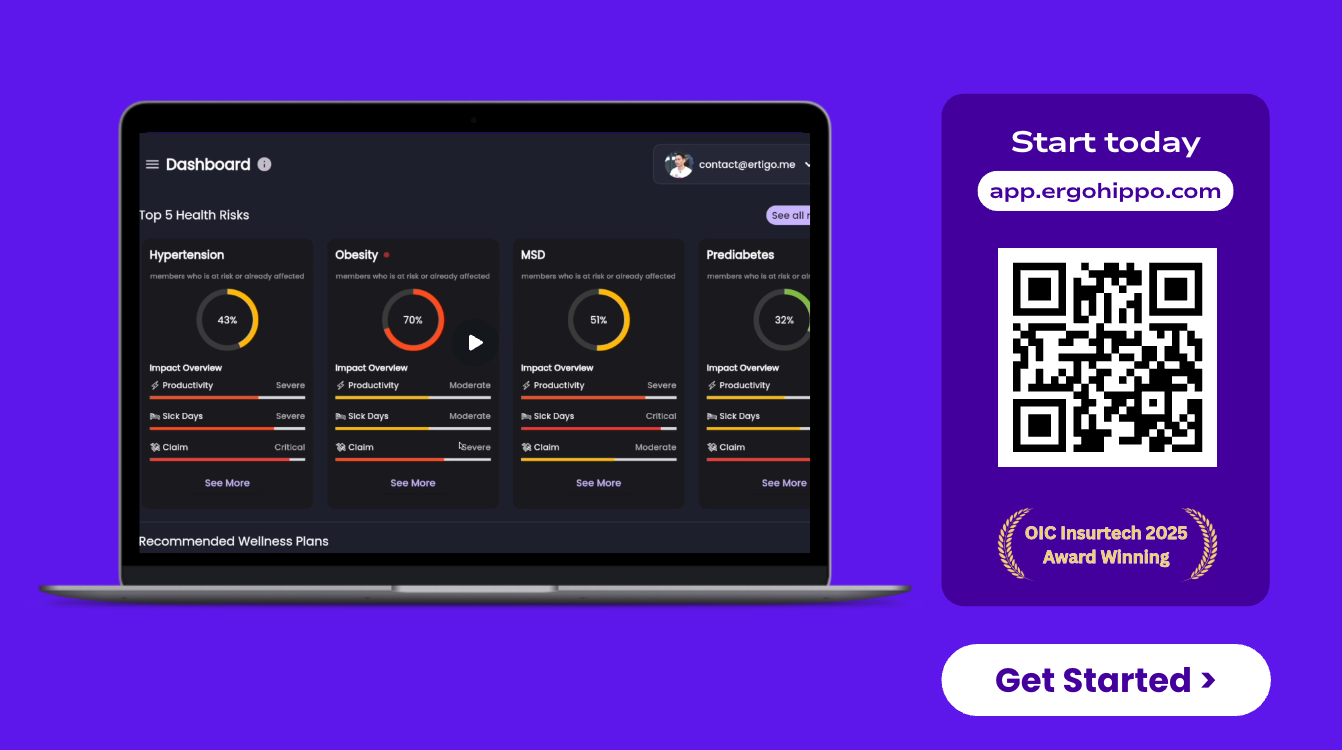
And thanks to platforms like ERGO HIPPO, HR leaders can now quantify well-being, making it an official part of performance management — not just a “nice-to-have” benefit.
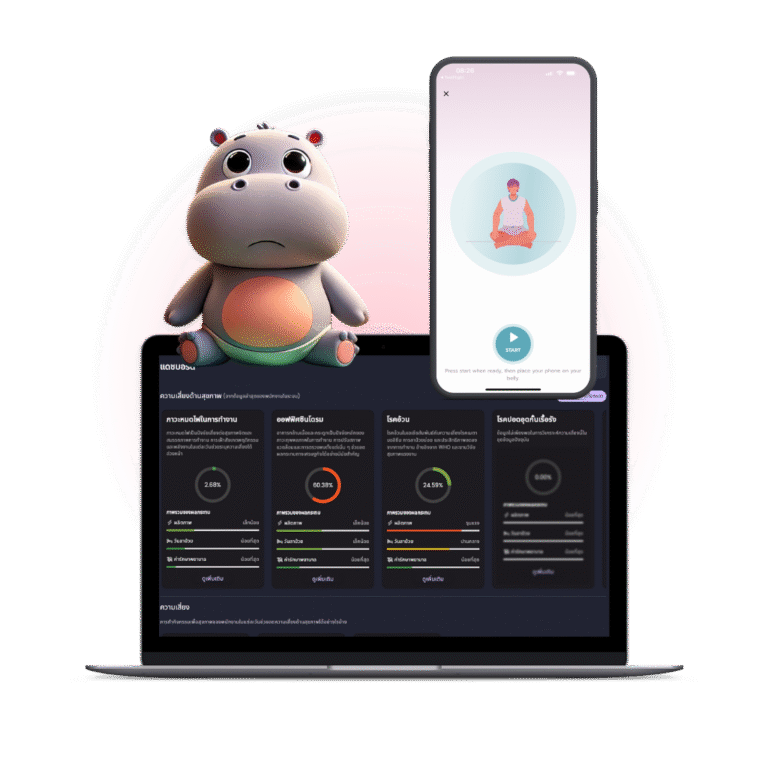
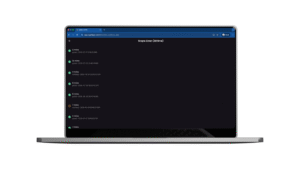
See how top organizations integrate HR strategy with employee health and performance through ERGO HIPPO’s well-being intelligence dashboard.
Why Wellness Belongs in HR Strategy
According to the World Health Organization, workplace stress contributes to nearly $300 billion in lost productivity annually.
Traditional HR metrics — like attendance, turnover, and satisfaction scores — fail to capture the root cause: how people feel at work.
Integrating wellness into HR strategy helps to:
- Detect burnout risk before it affects performance.
- Correlate physical and mental well-being with output.
- Build an empathetic, data-driven culture where health is tracked alongside results.
That’s why organizations are turning to ERGO HIPPO — to connect health data and behavioral analytics directly with HR performance dashboards.
What Makes a Modern HR Management Example?
Today’s best HR management examples share three key traits:
Holistic Measurement: HR looks beyond attendance and output — assessing energy, mood, and mobility data.
Employee Empowerment: People are encouraged to manage their well-being proactively.
Tech Integration: AI and wellness platforms like ERGO HIPPO track, analyze, and visualize health-performance correlations in real time.
In this new paradigm, health becomes a performance driver, not a personal responsibility left unmeasured.
Example 1: Integrating Wellness KPIs into Performance Reviews
A multinational logistics company used ERGO HIPPO’s dashboard to incorporate Wellness KPIs into quarterly performance evaluations.
Process:
- Employees logged daily wellness data through short stretching or breathing check-ins.
- ERGO HIPPO automatically aggregated wellness trends (e.g., posture risk, fatigue, engagement scores).
- HR reviewed the insights alongside traditional KPIs like project delivery and teamwork.
Example 2: The Retail Chain That Made Wellness a Metric
A national retail chain embedded ERGO HIPPO’s wellness analytics directly into its HR dashboard.
Implementation:
- Store-level wellness scores (from micro-breaks, hydration, and mood tracking) were linked with sales and customer satisfaction data.
- Managers used weekly “Health Heatmaps” to identify early fatigue trends among staff.
- Wellness KPIs contributed to recognition and rewards, promoting healthy competition.
Example 3: Financial Firm Aligning Mindset and Metrics
In a financial services firm, HR introduced Mindful Productivity Metrics through ERGO HIPPO.
Program Structure:
- Daily 2-minute well-being check-ins measured emotional state and mental energy.
- ERGO HIPPO’s AI correlated these results with CRM performance metrics (e.g., client call volume, task completion rates).
- Managers used the dashboard to detect early signs of burnout or disengagement.
The Framework: How to Integrate Wellness KPIs Into HR Systems
Assess Current HR Metrics
Start by identifying what you already measure — attendance, output, engagement — and where health could fit.
Define Measurable Wellness Indicators
Examples include: Daily energy score (via ERGO HIPPO mood check-ins) Movement frequency (e.g., micro-breaks per day) Stress resilience score Sleep quality or hydration consistency
Connect Data Sources
Integrate ERGO HIPPO’s well-being data with HRIS and performance systems.
Create a Balanced Scorecard
Blend “performance” and “wellness” KPIs to promote holistic evaluation.
Train Managers on Health-Centric Leadership
Equip leaders to discuss well-being as a legitimate business metric.
Communicate Transparency and Privacy
Assure employees their data supports development, not surveillance.
Measure and Report Impact
Show executives tangible ROI — reduced absenteeism, higher engagement, better retention.
The Role of ERGO HIPPO’s Well-Being Intelligence Dashboard
ERGO HIPPO empowers HR teams to measure what was once invisible — employee energy, stress, and lifestyle balance — all linked to performance outcomes.
Key Features Include:
- Real-time analytics on employee health and engagement.
- AI-driven recommendations for team wellness programs.
- Departmental dashboards connecting health trends with KPIs.
- ROI reporting on wellness initiatives.
This integration shifts HR from reactive administration to strategic empowerment.
Insights from Leading Well-Being Organizations
From manufacturing to tech, companies are learning that “healthy employees” equals “sustainable performance.”
Tech Firms: Use ERGO HIPPO to monitor ergonomic habits and screen-time fatigue.
Healthcare Companies: Apply wellness KPIs to reduce burnout in high-stress teams.
Education and NGOs: Use the dashboard to improve morale, attendance, and engagement through recognition-linked wellness challenges.
The trend is clear — wellness metrics are becoming as important as financial ones.
Conclusion
In the modern workplace, well-being is performance.
The most innovative human resource management examples show that organizations thrive when HR integrates health data into business intelligence.
With ERGO HIPPO’s Well-Being Intelligence Dashboard, HR can quantify care — transforming how teams perform, recover, and grow together.
Wellness isn’t a side initiative anymore. It’s the core of performance management.