Recognition Is the New Wellness Strategy
Corporate wellness used to mean gym discounts and annual health checkups.
But what if the key to healthier teams isn’t just physical activity — it’s recognition?
A corporate recognition program does more than reward good performance; it meets a fundamental human need: to feel valued. Studies show that employees who feel appreciated are not only more engaged but also significantly healthier, reporting lower stress and burnout levels.
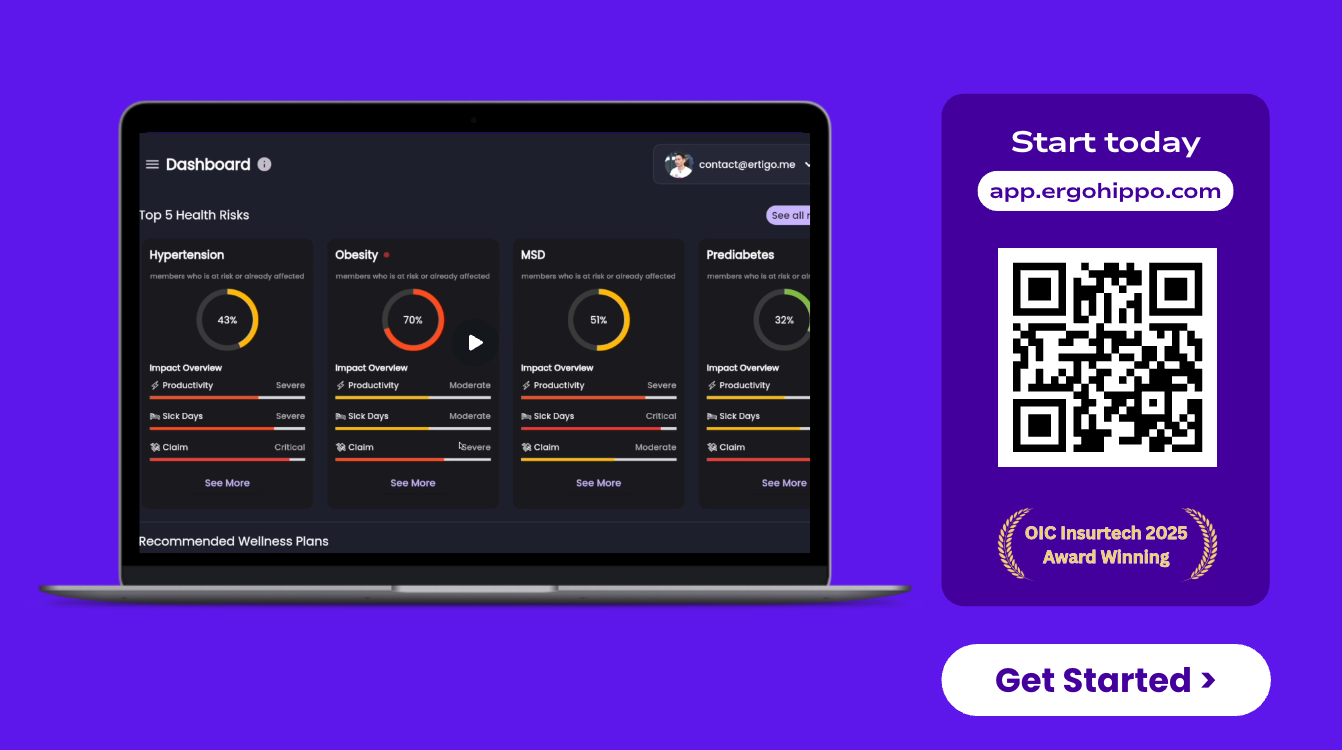
That’s where ERGO HIPPO enters — a modern platform that merges recognition and wellness engagement, transforming appreciation into a measurable health and productivity advantage.
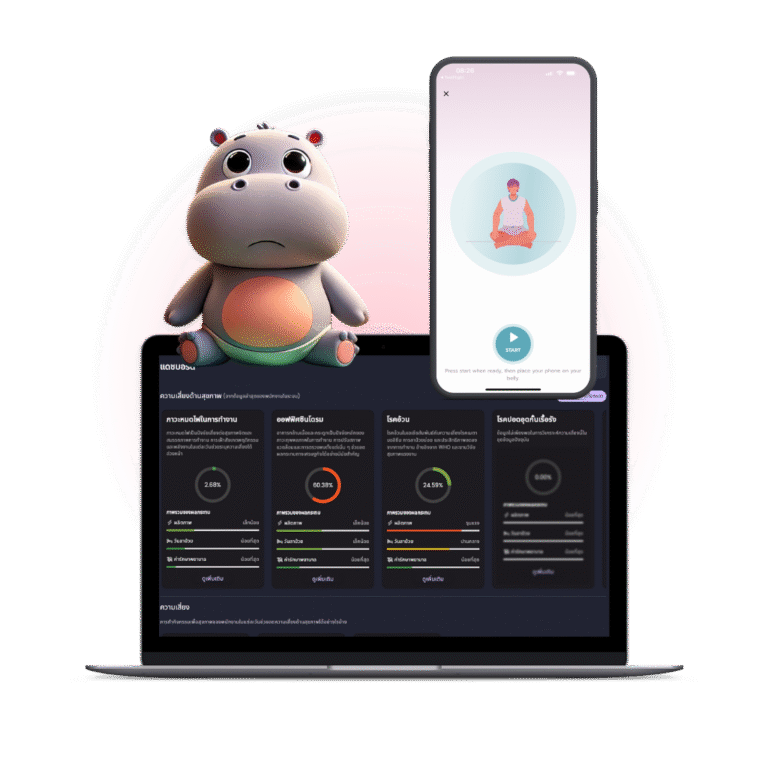
Recognition programs aren’t just about morale — they boost well-being. Learn how ERGO HIPPO gamifies appreciation and wellness challenges.
The Science Behind Recognition and Health
Recognition triggers a cascade of positive biological and psychological effects:
Dopamine Boost: Recognition activates reward centers in the brain, improving motivation and focus.
Cortisol Reduction: Feeling appreciated lowers stress hormones, protecting cardiovascular and immune health.
Belonging and Connection: Peer recognition increases oxytocin, the “bonding hormone,” reducing isolation and mental fatigue.
A Harvard Business Review survey found that 82% of employees consider recognition essential for their happiness at work, yet only 33% feel consistently recognized. The gap between effort and acknowledgment is silently affecting workplace health.
Why Recognition Is a Wellness Tool
When companies treat recognition as part of their wellness strategy, several key outcomes emerge:
- Lower Stress and Anxiety – Gratitude and appreciation have proven effects on emotional resilience.
- Improved Physical Health – Recognized employees take fewer sick days due to reduced stress-related illness.
- Enhanced Focus and Sleep Quality – Emotional stability positively influences sleep and cognitive performance.
- Increased Social Support – Recognition fosters stronger workplace relationships, which are protective factors for mental health.
- Recognition isn’t fluff — it’s a scientifically supported intervention for healthier, happier employees.
The Evolution of Corporate Recognition Programs
The concept of recognition has evolved from the classic “Employee of the Month” plaque into sophisticated systems powered by AI, data, and wellness analytics.
Modern recognition programs:
- Allow peer-to-peer appreciation, not just top-down.
- Integrate with daily wellness goals and challenges.
- Use gamification to sustain engagement over time.
- Measure impact using real-time dashboards like ERGO HIPPO.
- Recognition now goes hand-in-hand with holistic health initiatives — because engagement and well-being are inseparable.
ERGO HIPPO: Where Recognition Meets Wellness
ERGO HIPPO is not just a wellness tracker. It’s an engagement ecosystem that rewards both effort and self-care.
Here’s how ERGO HIPPO redefines recognition in the corporate context:
a. Gamified Recognition System
Employees earn “Hippo Points” for participating in wellness activities — from stretching challenges to mindfulness sessions.
These points can be redeemed, gifted, or highlighted on leaderboards, turning well-being into a game everyone enjoys.

b. Peer-to-Peer Gratitude
ERGO HIPPO enables employees to send appreciation badges tied to health-focused behaviors — for example, congratulating a teammate for completing a 21-day posture challenge.
c. Integrated Wellness Engagement
Unlike traditional platforms, ERGO HIPPO connects recognition data with health analytics, showing HR how acknowledgment impacts measurable outcomes like absenteeism, energy levels, and engagement scores.

d. Health + Happiness Dashboard
Visualize company-wide data on participation, wellness improvement, and recognition frequency.
HR can identify which teams are thriving — and which might need more encouragement or support.
7 Steps to Building a Health-Centric Recognition Program
Redefine Recognition Goals
Shift from rewarding outcomes to acknowledging health-positive behaviors — participation, consistency, and teamwork.
Integrate with Wellness Data
Use ERGO HIPPO to link appreciation metrics with engagement and health outcomes.
Encourage Peer Recognition
Empower everyone to give feedback and celebrate wellness achievements, not just managers.
Gamify Participation
Points, challenges, and badges keep wellness fun and dynamic.
Communicate Regularly
Weekly recognition roundups or wellness leaderboards boost visibility and motivation.
Reward Balance, Not Burnout
Recognize employees who manage time, stress, and recovery — not just those who overwork.
Measure and Adjust
Use ERGO HIPPO dashboards to assess which recognition activities improve health and which need refinement.
The Psychological Benefits of Appreciation
Recognition creates a positive feedback loop:
Feel Valued → Feel Motivated → Engage More → Get Recognized Again.
This loop strengthens self-efficacy and emotional balance, both key predictors of long-term well-being.
Research from Gallup shows that employees who receive frequent recognition are five times more likely to report being “thriving” in life overall.
ERGO HIPPO helps HR maintain this momentum by automating reminders, tracking gratitude interactions, and correlating them with health outcomes.
Recognition as an ESG and Culture Strategy
Employee well-being is now part of Environmental, Social, and Governance (ESG) reporting frameworks.
Recognition programs powered by ERGO HIPPO can be included as measurable “social impact” initiatives, demonstrating a company’s investment in its people.
By quantifying engagement, mood, and wellness participation, organizations can showcase genuine impact in both CSR and ESG reports — not just intentions.
Conclusion
A corporate recognition program is more than an HR initiative — it’s a cultural signal that says, “We see you. We value you. We care.”
When powered by ERGO HIPPO, recognition becomes measurable, personalized, and transformative. It strengthens not only morale but also physical and mental well-being.
Appreciation isn’t an event. It’s a wellness habit.
Companies that understand this are not just improving productivity — they’re building healthier, happier workplaces from the inside out.