The Age of Data-Driven HR
HR has entered a new era — one defined by data, health intelligence, and human insight.
Gone are the days when employee benefits were just administrative checklists.
Today, organizations are hiring Employee Benefits Analysts — professionals who translate well-being data into actionable business strategy.
Their mission is simple but powerful:
Use analytics to understand how benefits impact health, engagement, and performance.
As corporate well-being becomes a strategic priority, platforms like ERGO HIPPO are giving these analysts the tools to measure what truly matters — from posture and stress levels to productivity and retention.
Discover how HR analysts are using data platforms like ERGO HIPPO to track wellness ROI, engagement, and health improvements.
Who Is an Employee Benefits Analyst?
An Employee Benefits Analyst bridges HR, finance, and wellness.
They evaluate the cost, usage, and impact of benefits programs — and increasingly, their ROI on employee health.
Traditionally, their work focused on insurance plans, claims, and compliance.
But today, the role has evolved to include:
- Wellness data analysis
- Employee engagement metrics
- Productivity correlations
- Predictive risk modeling
These analysts are not just number crunchers — they’re architects of well-being strategy.
Why This Role Is Emerging Now
Three major forces have driven the rise of benefits analysts:

The Health Crisis of the Modern Workplace
Chronic stress, poor posture, and burnout cost companies billions in lost productivity.
The Demand for Accountability
Executives want proof that wellness programs deliver measurable returns.
The Power of Technology
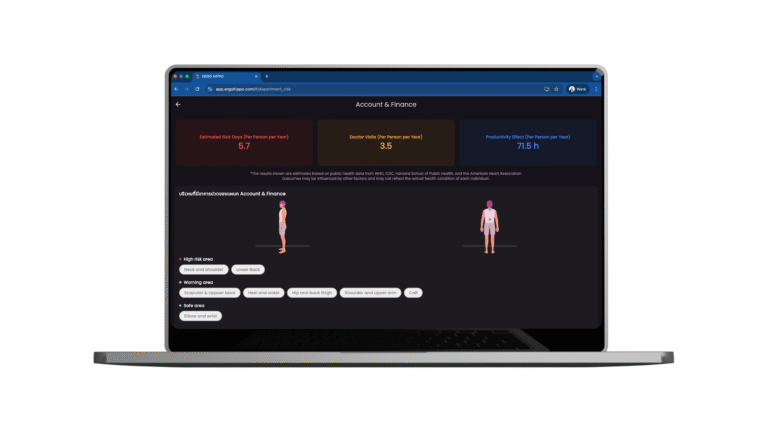
Platforms like ERGO HIPPO now make it possible to track employee well-being with precision — using AI-driven dashboards, wellness engagement scores, and ROI simulations.
From HR Intuition to HR Intelligence
Most HR departments used to rely on intuition — “We think people are happier.”
But now, data provides clarity:
- Are employees healthier than last quarter?
- Which departments show signs of burnout?
- How much productivity do wellness programs actually recover?
An Employee Benefits Analyst uses this data to shift HR from reactive to predictive.
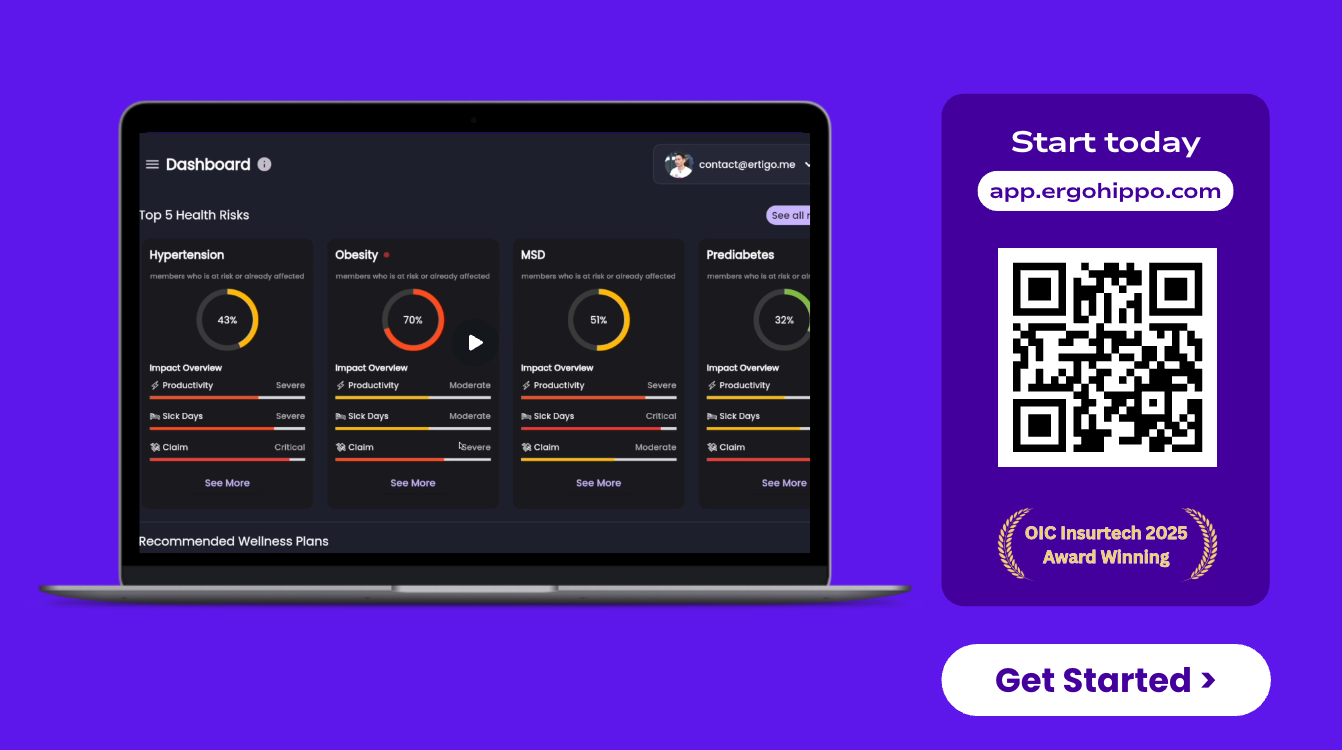
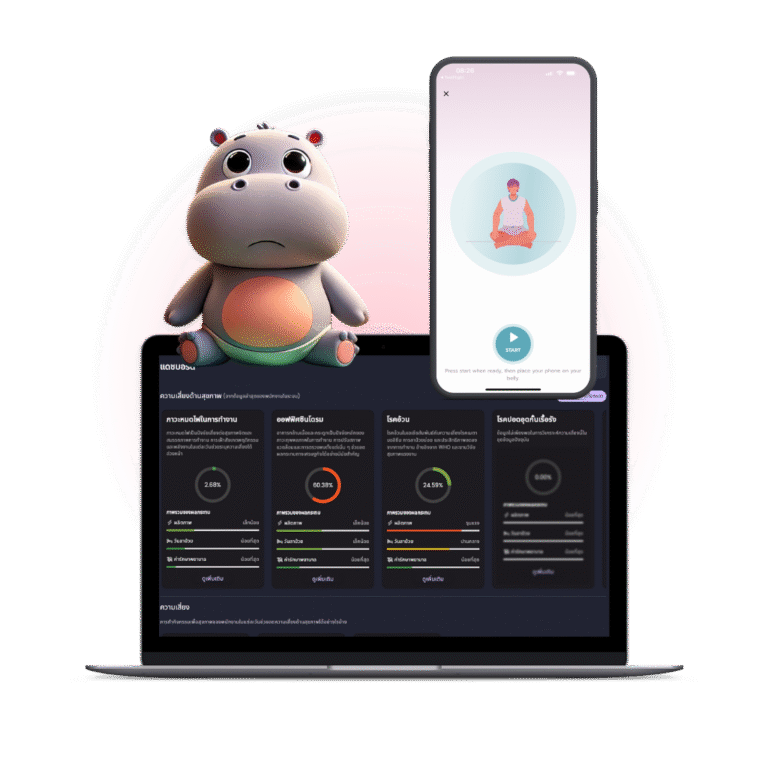
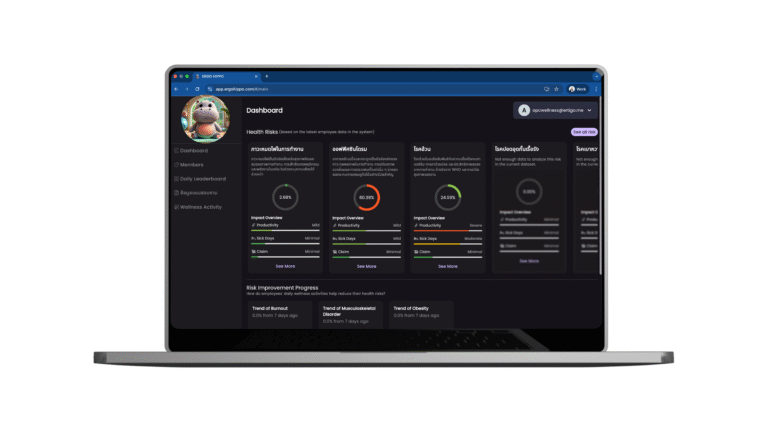
That’s where ERGO HIPPO’s Well-Being Intelligence Dashboard comes in.
Inside the ERGO HIPPO Dashboard
ERGO HIPPO gives HR teams the ability to see and quantify wellness — not just assume it.
Key Metrics Measured:
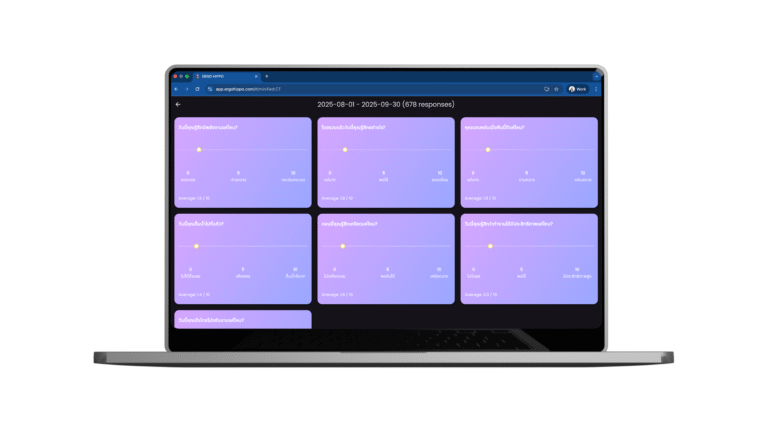
Engagement Score: Frequency of wellness participation (stretching, breathing, mindfulness).
Energy Index: Daily self-check-ins for fatigue, mood, and focus.
Health Risk Indicators: AI posture analysis, sedentary time, and recovery rate.
Productivity Correlation: Linking health metrics to output data or absenteeism.
Wellness ROI: Estimated cost savings from reduced sick days and medical claims.
These data points turn well-being into a boardroom discussion, not a “nice-to-have” HR topic.
Measuring ROI: The Missing Link in HR A survey by Deloitte found that over 80% of HR leaders believe wellness programs improve performance — yet fewer than 20% can prove it. This is the gap the Employee Benefits Analyst closes. Using ERGO HIPPO, they can generate clear ROI reports.
Example: How One Analyst Changed an Entire Company
Let’s look at a real scenario inspired by ERGO HIPPO clients.
Solution:
The company appointed an Employee Benefits Analyst who used ERGO HIPPO to:
- Track average energy levels via weekly surveys
- Identify departments with low movement activity
- Launch stretching challenges and ergonomic training
How to Become a Data-Driven HR Analyst
Step 1: Collect the Right Data
Gather not only financial data but also behavioral and health data — safely and anonymously.
ERGO HIPPO automates this through integrated employee surveys and posture scans.
Step 2: Identify Trends
Find correlations between health behavior and outcomes — e.g., teams that stretch daily perform better.
Step 3: Report with Context
Use ERGO HIPPO dashboards to present simple visuals: health trends, engagement curves, and ROI impact.
Step 4: Collaborate Across Departments
Partner with finance, leadership, and medical teams to design data-backed interventions.
The Future: Predictive Wellness Analytics
The next frontier of HR analytics is prediction.
By combining health, engagement, and performance data, analysts can forecast risks like:
- Upcoming burnout waves
- Teams at risk of high turnover
- Seasonal patterns in fatigue or absenteeism
- ERGO HIPPO already supports predictive alerts, helping organizations act before problems arise.
This transforms HR from administrative to proactive — a true strategic partner in corporate health.
Why ERGO HIPPO Is the Analyst’s Best Ally
For modern Employee Benefits Analysts, ERGO HIPPO is more than a tool — it’s an ecosystem.
Here’s why it fits perfectly:
- Centralizes health, engagement, and productivity data
- Visualizes ROI for every wellness program
- Protects privacy through anonymized data layers
- Encourages participation with gamified features
- Supports management reports for ESG and HR Scorecards
It turns wellness data into organizational intelligence.
Conclusion
Even in a data-driven world, empathy remains the analyst’s greatest asset.
Technology like ERGO HIPPO provides insight — but humans provide interpretation.
The Employee Benefits Analyst role represents the new face of HR:
- Analytical yet empathetic
- Digital yet human-centric
- Focused on ROI yet rooted in care
When data meets empathy, HR becomes unstoppable. And ERGO HIPPO is the bridge that makes it possible.