Why Wellness Surveys Alone Aren’t Enough
Every organization collects data — but only a few act on it effectively.
The same is true for wellness initiatives.
Most companies distribute an employee health and wellness survey once or twice a year, get hundreds of responses, and then… nothing happens.
The insights stay buried in spreadsheets, and employees see no visible change — leading to frustration and distrust.
But when used correctly, these surveys can become a powerful roadmap for better health, productivity, and engagement.
The key lies in moving from data collection → analysis → action.
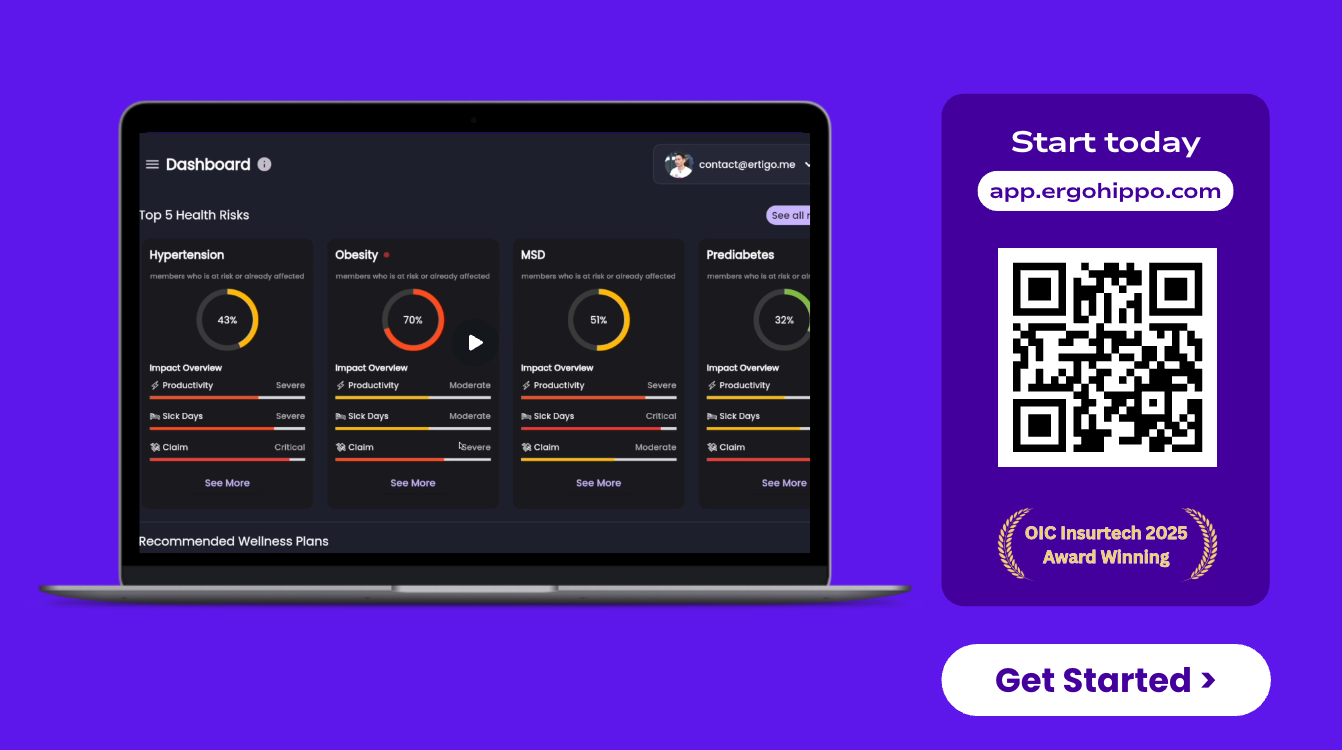
And platforms like ERGO HIPPO make that transformation measurable, automatic, and meaningful.
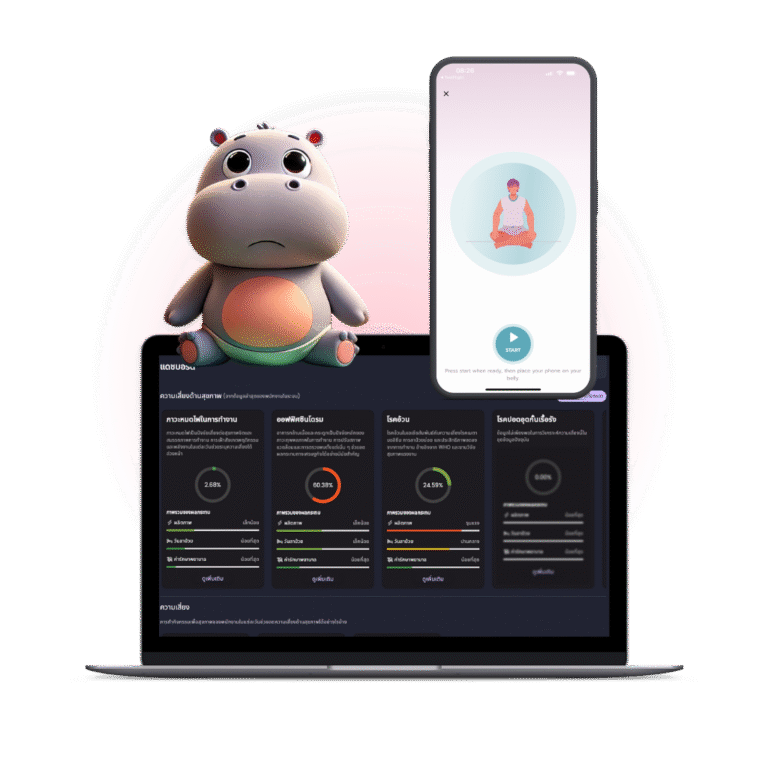
Collect, analyze, and act on wellness survey data using ERGO HIPPO’s real-time analytics. Improve morale, reduce sick days, and boost ROI.
What Is an Employee Health and Wellness Survey?
An employee health and wellness survey is a structured set of questions designed to assess physical, mental, and social well-being across the workforce.
These surveys help HR teams understand:
- How employees feel about their health and workload
- What factors contribute to stress or burnout
- What wellness initiatives are most valued or underutilized
Unlike medical checkups, wellness surveys capture perceptions, behaviors, and engagement patterns — the human context behind the metrics.
The Missing Link: From Awareness to Action
Many organizations make the mistake of viewing wellness surveys as “feedback forms.”
But the real goal is not just awareness — it’s behavioral insight.
For example:
- If 45% of employees report low energy, what are their movement habits like?
- If stress scores are rising, is it related to workload or poor ergonomics?
- If team morale drops, is recognition frequency declining too?
By connecting wellness data to workplace behavior, HR can act on root causes, not just symptoms.
What Makes a Great Wellness Survey
A powerful wellness survey should be short, structured, and segmented.
Key dimensions to include:
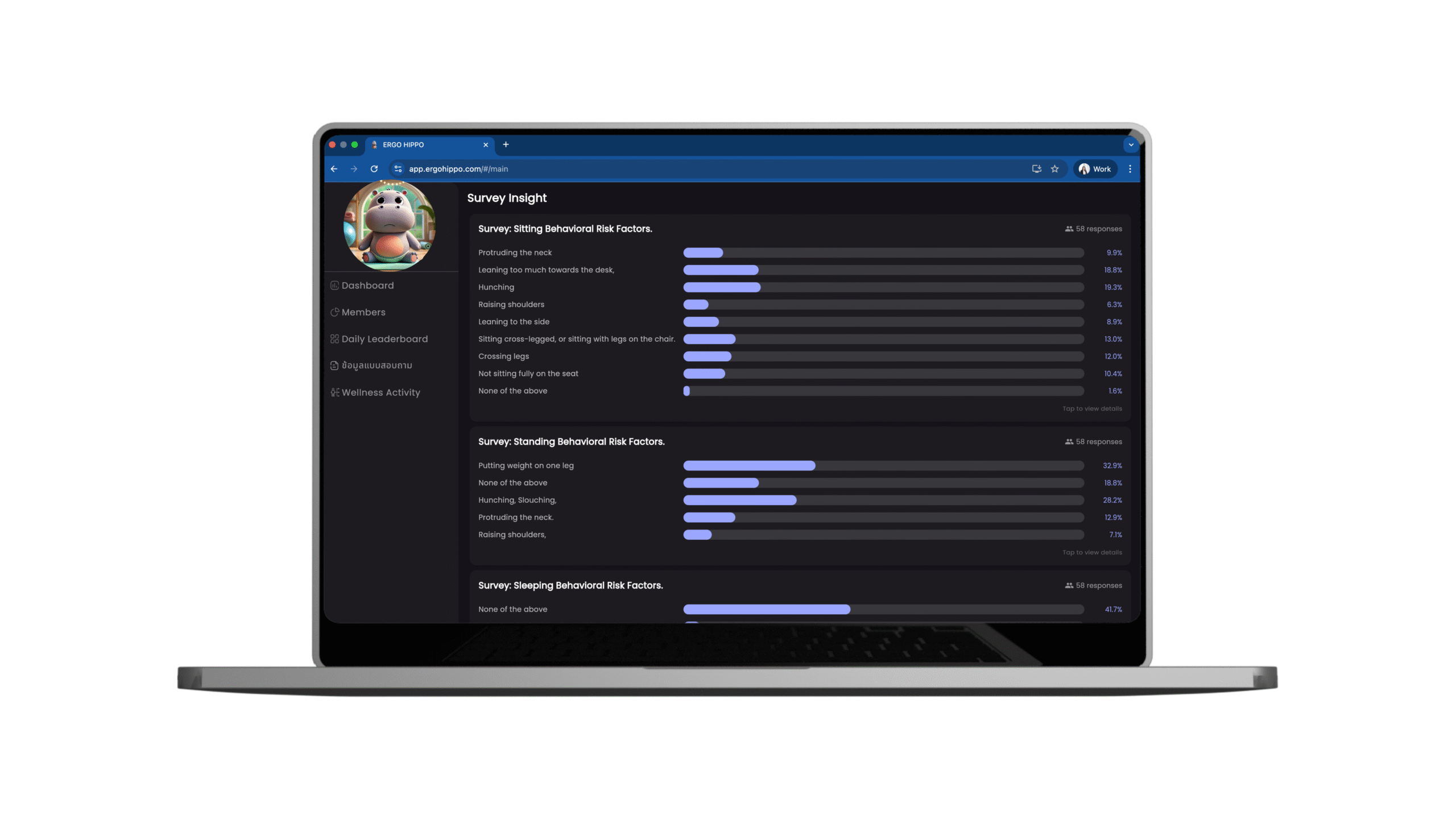
Physical Wellness:
Energy, posture, ergonomics, sleep, pain levels
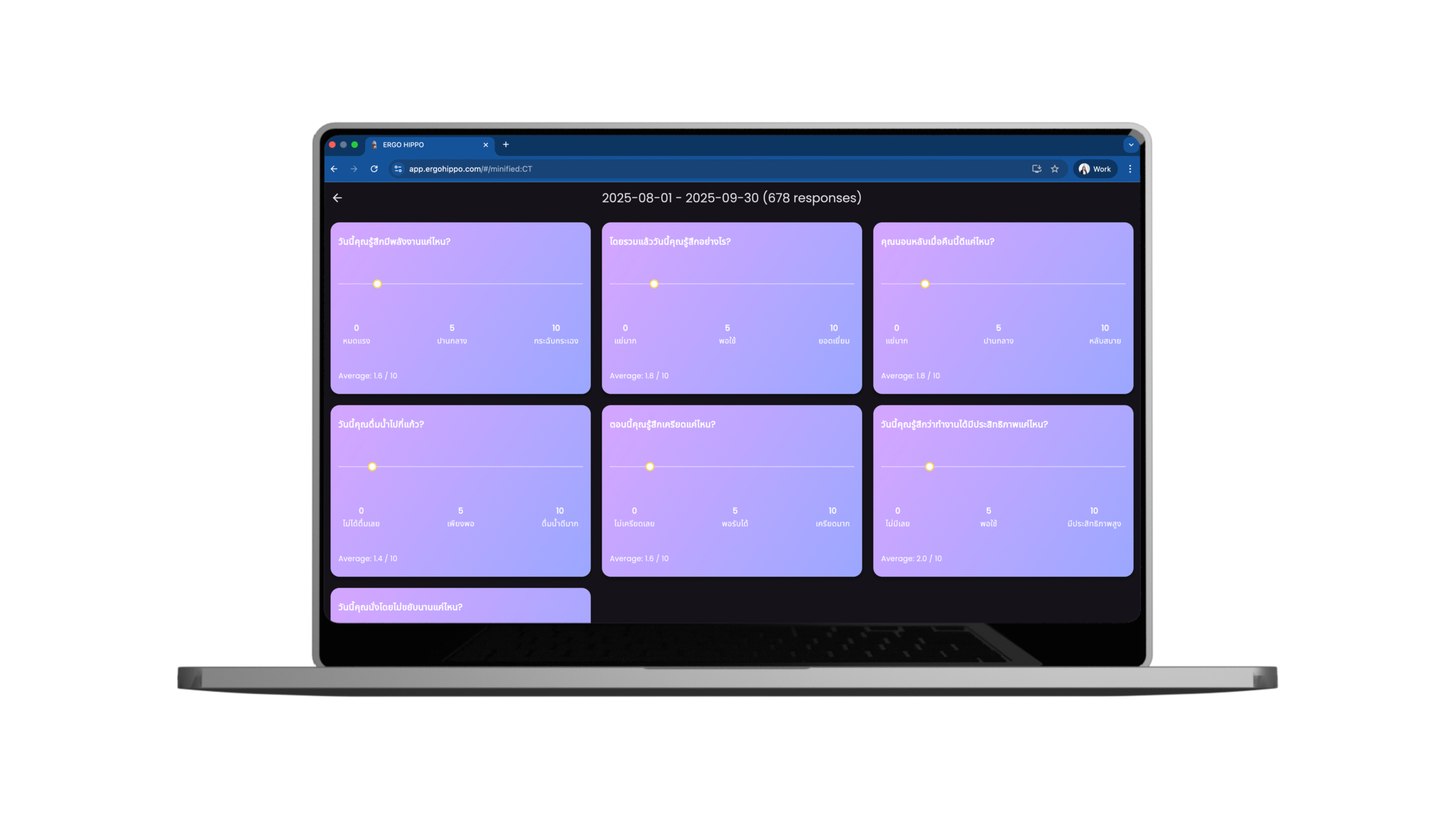
Mental Wellness:
Stress, resilience, focus, optimism
Social Wellness:
Belonging, connection, recognition
Organizational Wellness:
Workload fairness, leadership support, communication
Best practices:
- Limit to 20–25 questions (takes ~5 minutes)
- Use a 5-point scale (Strongly Disagree → Strongly Agree)
- Include 2 open-ended questions for context
- Repeat quarterly for trend tracking
Sample Employee Health and Wellness Survey
Section 1: Physical Health
- I feel physically energized during most workdays.
- My workspace supports healthy posture and comfort.
- I take short breaks to move or stretch during the day.
- My physical health allows me to focus effectively at work.
Section 2: Mental Well-Being
- I can manage stress effectively during busy periods.
- I feel optimistic about my work-life balance.
- My workload feels manageable most days.
- I have access to tools or programs that support my mental health.
Section 3: Social & Cultural Wellness
- I feel connected to my team and colleagues.
- I receive recognition for my contributions.
- My organization encourages open discussions about well-being.
Section 4: Open Feedback
- What one change would improve your overall well-being at work?
- Which wellness initiative do you find most helpful and why?
Turning Wellness Data into Insight: The ERGO HIPPO Model
The challenge isn’t gathering data — it’s interpreting it meaningfully.
ERGO HIPPO automates this entire process.
Here’s how it works:
-
Step 1: Data Collection
Import responses directly from surveys, spreadsheets, or HR forms. ERGO HIPPO integrates seamlessly with Google Forms, Typeform, and internal HR systems.
-
Step 2: Real-Time Analysis
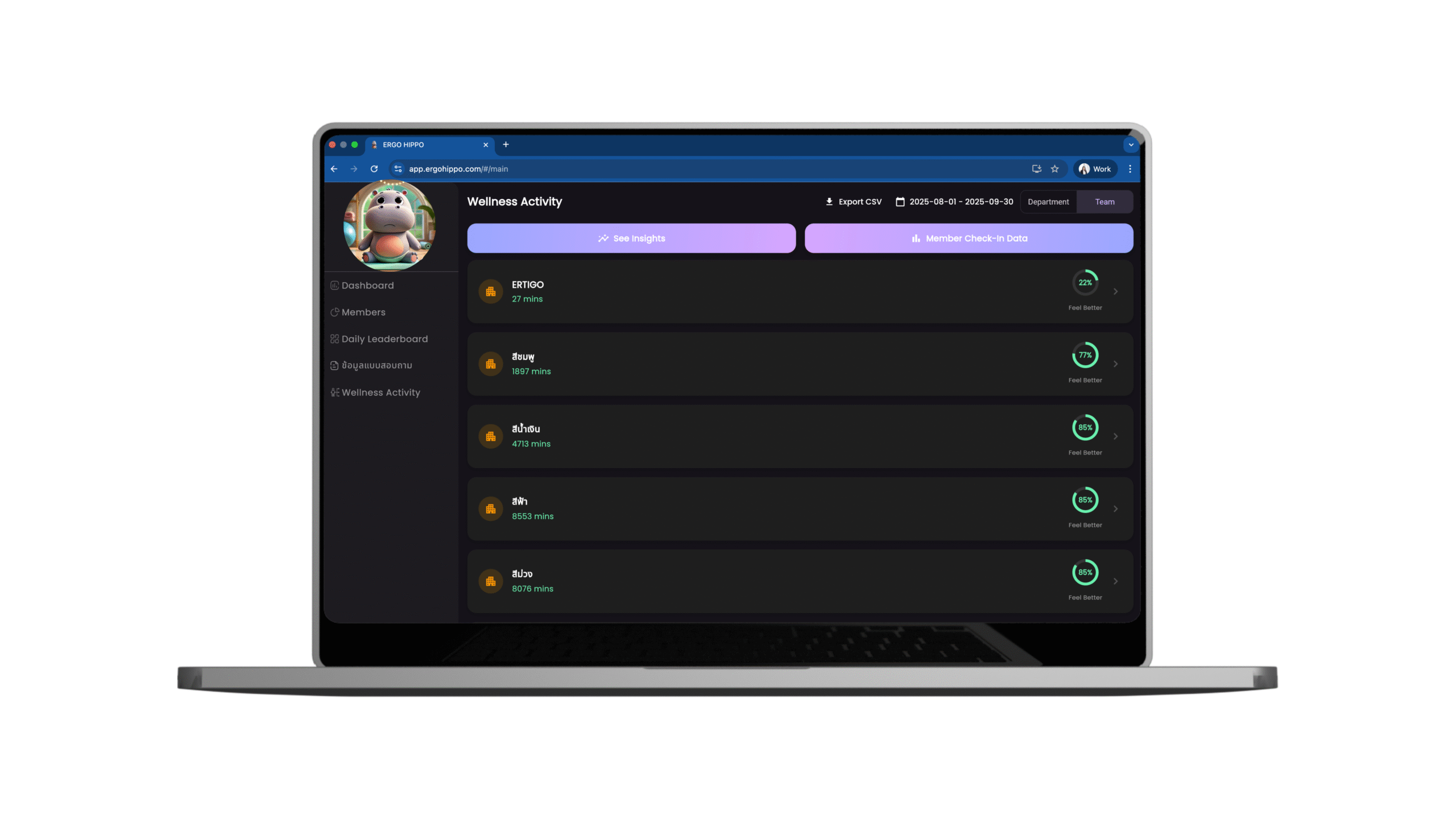
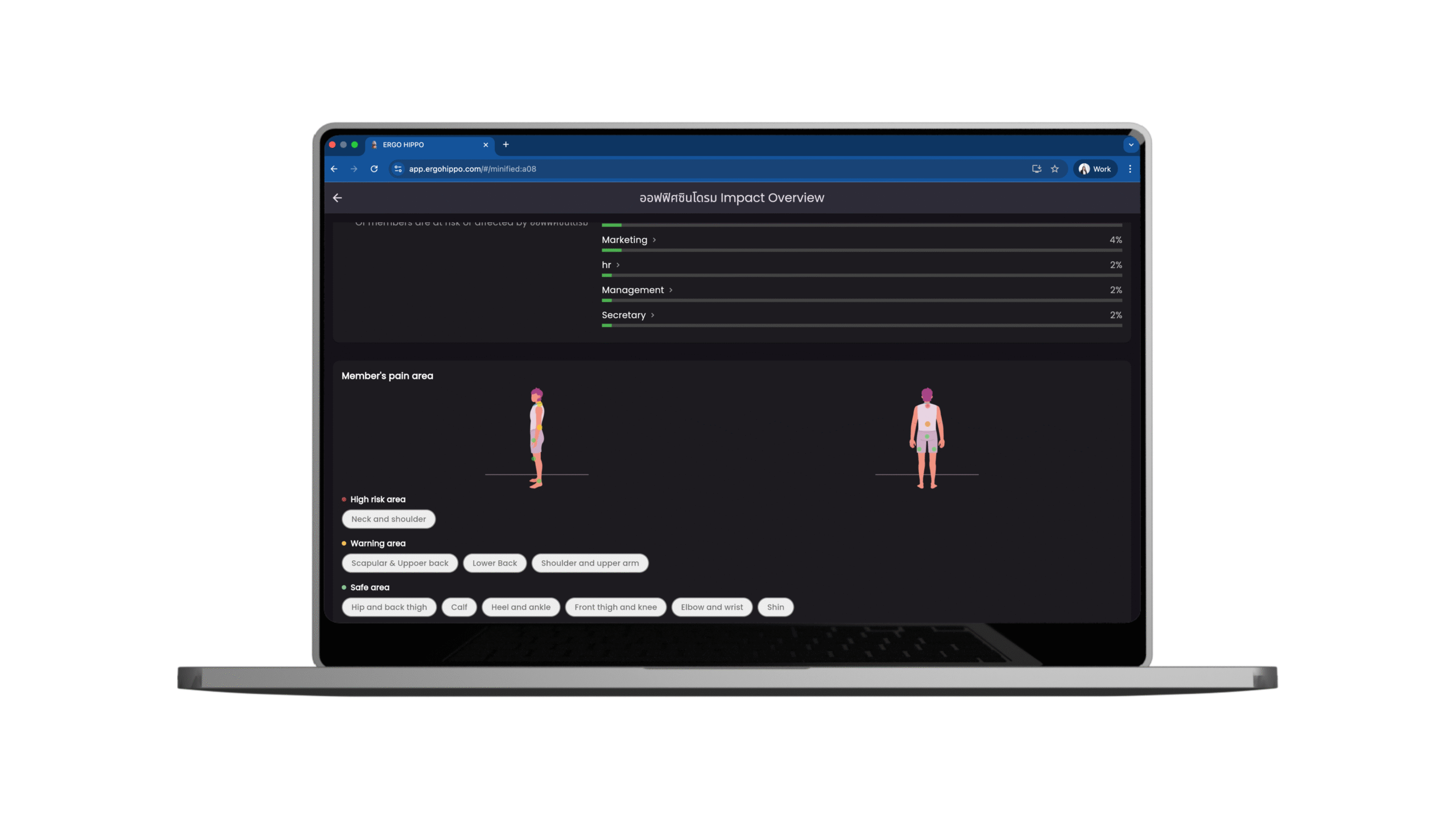
AI models categorize results into the three wellness pillars — physical, emotional, and social — showing red, yellow, and green zones across departments.
-
Step 3: Dashboard Visualization
HR can see correlations instantly: “Teams with higher posture discomfort also report higher stress.” “Departments with more peer recognition have higher morale.”
-
Step 4: Actionable Recommendations
The platform provides practical actions — from posture break reminders to department-wide wellness challenges — automatically tied to survey findings.
-
Step 5: ROI Tracking
ERGO HIPPO calculates the impact of improvements over time: Sick day reduction Engagement score increases Turnover improvement
Common Mistakes to Avoid
Overloading questions — Too long = fewer responses.
No follow-up communication — Employees stop believing the process matters.
Ignoring privacy — People need assurance their responses are anonymous.
Treating surveys as “HR-only” tools — Managers should be involved in the improvement phase.
With ERGO HIPPO, survey data is anonymized automatically, and follow-up campaigns can be managed directly through the platform’s communication tools.
How to Communicate Results Without Overwhelming Employees
Transparency builds trust.
After collecting survey data:
- Share 2–3 key takeaways (not every detail).
- Highlight one improvement plan per quarter.
- Recognize participation publicly (“85% of you completed the survey — thank you!”).
This helps employees see progress and reinforces a culture of shared responsibility for well-being.
The Future: Predictive Wellness Intelligence
In the next generation of HR technology, wellness data won’t just describe the present — it will predict the future.
With ERGO HIPPO’s predictive modeling:
- HR can forecast burnout risk before it happens.
- Leaders can simulate the ROI impact of introducing wellness breaks.
- AI can recommend team-specific actions (e.g., “Department A needs ergonomic awareness,” “Department B benefits from mindfulness prompts”).
This moves the company from being reactive to proactively well.
Conclusion
Wellness surveys don’t improve engagement by themselves — action does.
By collecting the right data, analyzing it with purpose, and using tools like ERGO HIPPO to act quickly, HR can transform surveys into sustainable strategies.
“Don’t just measure health — manage it.”
When wellness becomes measurable, engagement becomes inevitable.
And that’s where modern HR leadership begins.