Rethinking Employee Benefits for a Healthier Workplace
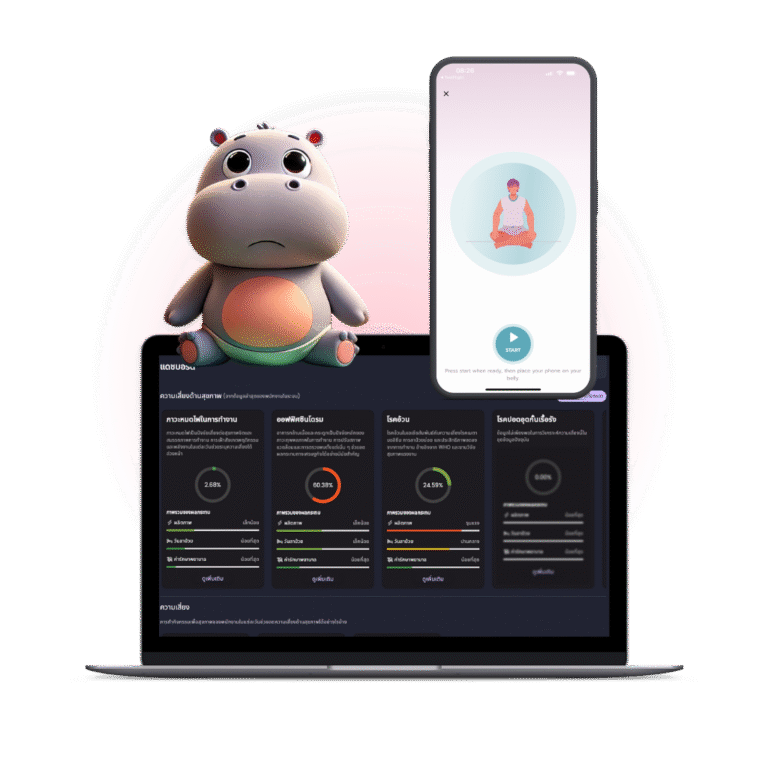
For decades, employee benefits were defined by one thing — insurance coverage. Yet modern work has evolved far beyond that. Hybrid schedules, digital overload, and ergonomic challenges have made employee health an everyday priority. Today’s organizations are redesigning benefits not just to protect employees, but to energize them. The best examples combine wellness science, behavioral design, and data analytics — just like ERGO HIPPO, which turns workplace wellness into measurable results.
Discover practical employee benefit examples that go beyond insurance — from wellness analytics to pain-reduction programs with ERGO HIPPO.
Why Traditional Benefits Are No Longer Enough
Reactive vs. Proactive Health: Insurance covers illness; well-being programs prevent it.
One-Size-Fits-All vs. Personalization: Modern workforces demand custom support for body and mind.
Static Data vs. Real-Time Insights: Dashboards like ERGO HIPPO help HR see how wellness translates into productivity.
Simply put, the healthiest companies don’t wait for problems — they predict them.
10 Employee Benefit Examples That Truly Improve Health and Productivity
1. AI-Powered Well-Being Dashboards
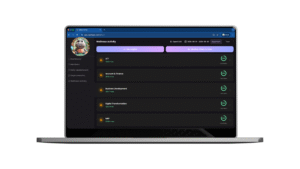
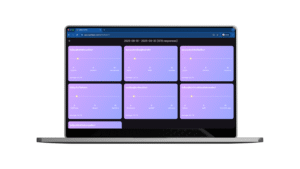
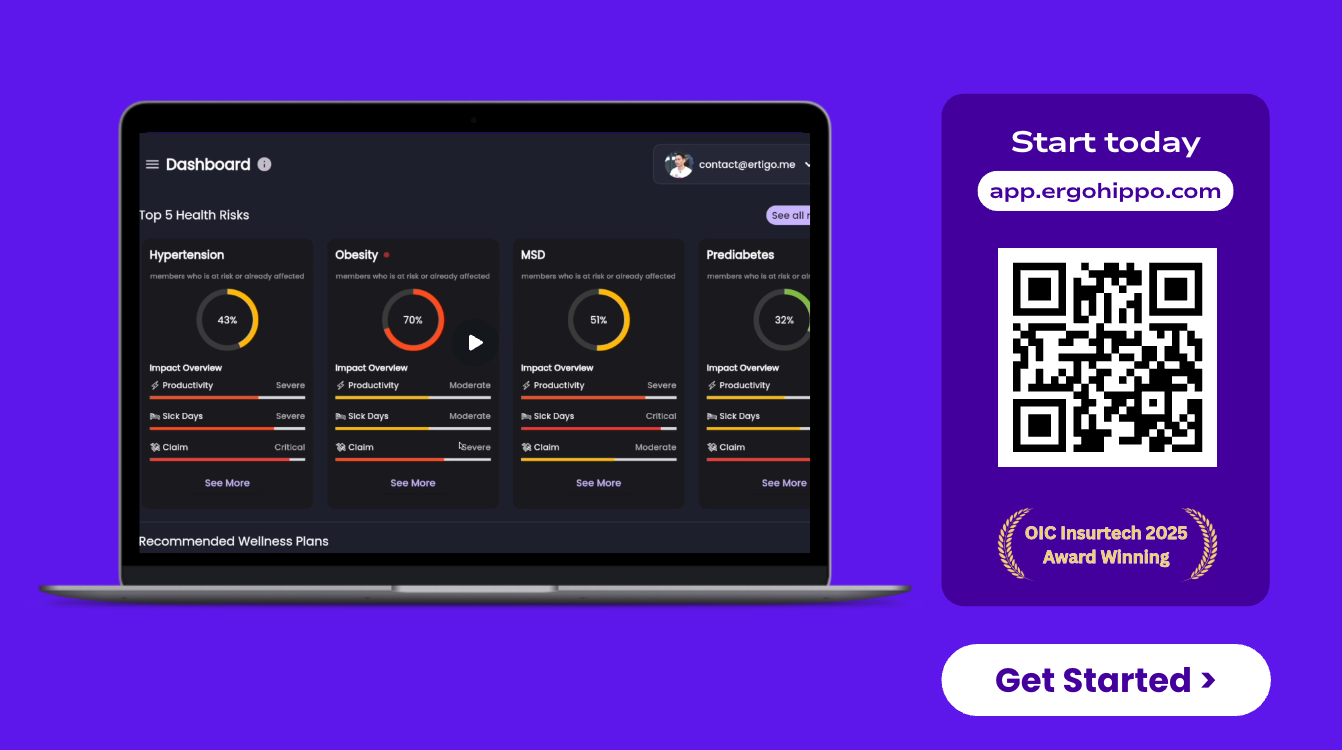
Real-time visibility into workforce health. Platforms such as ERGO HIPPO turn survey results, activity data, and posture scores into insights that leaders can act on immediately. When a department shows rising stress levels, HR can deploy targeted support before burnout spreads.
2. AI Risk Assessments and Working Posture Correction
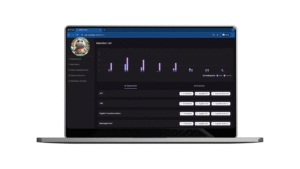
Reduced musculoskeletal pain and absenteeism. AI camera assessments analyze anatomical positioning and movement patterns. Within ERGO HIPPO, companies receive actionable reports to adjust working posture — from incorrect behaviors — creating a pain-free, better posture, and good characteristics.
3. Personalized Wellness Programs
Tailored activities for different needs. Generic fitness plans fail because they ignore individual risk factors. ERGO HIPPO combines AI mobility testing and habit tracking to deliver stretching, mindfulness, and breathing sessions that fit each person’s profile — just like having a personal wellness coach at work.
4. Flexible Work and Recovery Hours
Better energy management and mental clarity. Allowing employees to manage their own productivity cycles reduces stress hormones and improves focus. Combine this policy with well-being data from ERGO HIPPO to identify the optimal rest-work balance for each team.
5. Stress-Reduction and Breathing Programs
Lower cortisol and higher concentration. Integrate guided breathing exercises and micro-break reminders into daily workflow. ERGO HIPPO uses AI nudges to prompt short mind-body resets — an approach proven to improve decision-making and emotional regulation.
6. Gamified Wellness Challenges
High engagement and positive competition. Departments can earn points for completing stretching sessions or hydration goals. Leaderboards and digital rewards in ERGO HIPPO transform wellness into team culture instead of HR policy
7. Comprehensive Mental-Health Support
Improved resilience and employee loyalty. Provide access to counseling, mindfulness coaches, and anonymous stress surveys. With ERGO HIPPO, you can track psychological safety indicators and detect declining morale before it affects performance.
8. Financial Well-Being and Lifestyle Education
Improved resilience and employee loyalty. Provide access to counseling, mindfulness coaches, and anonymous stress surveys. With ERGO HIPPO, you can track psychological safety indicators and detect declining morale before it affects performance.
9. Recognition and Reward Programs Linked to Well-Being
Improved resilience and employee loyalty. Provide access to counseling, mindfulness coaches, and anonymous stress surveys. With ERGO HIPPO, you can track psychological safety indicators and detect declining morale before it affects performance.
10. Data-Driven Wellness ROI Reporting
Proof of impact for executives and investors. With ERGO HIPPO, HR can present clear metrics such as “sick-day reduction by 18 %” or “productivity gain of 3.5× per dollar invested.” This transparency builds trust and budget support for long-term well-being plans.
How ERGO HIPPO Turns Benefits into Business Impact
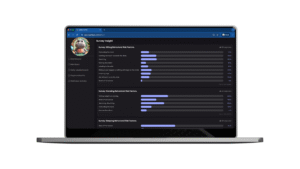
Centralized Analytics: Aggregates health and engagement data in real time. Smart Recommendations: AI suggests which programs fit each department. ROI Visualization: Links health outcomes to KPIs like productivity and retention. ESG Integration: Exports well-being impact into corporate sustainability reports. The result is a benefit strategy that’s measurable, scalable, and deeply human.
Real Case: From Wellness Program to Performance Culture
A energy firm implemented ERGO HIPPO’s well-being dashboard across 62 employees. Within three months:
Total active participants: 51
Cumulative sessions: ≈ 12,700
Average sessions per person: ≈ 250
Average total duration: ≈ 1,580 minutes (~26 hours per person)
Average “Feel Better” score: ≈ 90 % (demonstrates tangible well-being improvement across teams.)
Employees, on average, completed more than one session per day, indicating strong engagement across the 3-month period.
The Future of Employee Benefits Is Human-Centered and Data-Driven
As AI and automation reshape work, well-being is becoming the new competitive edge. Companies that measure what matters — posture, stress, sleep, and connection — will retain top talent and earn investor confidence. ERGO HIPPO empowers organizations to lead this evolution, turning benefits into a language of care and impact.
Conclusion
Employee benefits are no longer checklists on a policy sheet. They are strategic tools that shape how people feel and perform every day. By combining traditional support with modern solutions — AI dashboards, ergonomic assessments, and personalized wellness nudges — organizations can build a workforce that’s both healthier and happier. ERGO HIPPO turns well-being into a business superpower — because when employees thrive, companies win.